



 My Page(会員専用)
 サイトマップ
The University of Tokyo Research Center
 >
>- 学術調査・研究>
- 留学助成-
- Research Environment in Japan-
- The University of Tokyo Research Center
The University of Tokyo Research Center
Research Overview and Environment
About the Institution
- Institution Name
Department of Diabetes and Metabolic Diseases, The University of Tokyo Hospital - Location (City, Country)
Tokyo, Japan - Institutional Overview
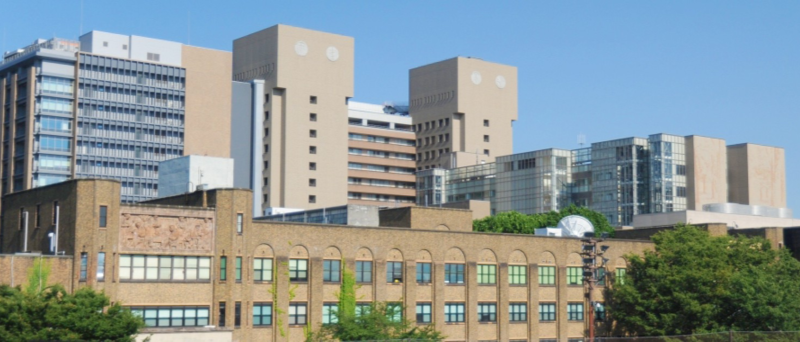
The University of Tokyo Hospital is located on the eastern side of Tokyo within 10-30 minutes on foot or by subway to Ueno, Akihabara and Asakusa, situated on a hilltop with a view of the surrounding Ueno Park, and the Tokyo Skytree. Take a walk in the campus, and one will encounter state-of-the-art facilities that are home to researchers in their respective fields, as well as remnants of 18th century Japan when the present day University campus was home to one of the largest samurai clans in the Edo period. With the right chemistry, UTokyo should be a good environment for innovation towards a better future.
The Department of Diabetes and Metabolic Diseases at The University of Tokyo Hospital is a leading academic unit dedicated to the comprehensive care and research of metabolic disorders, including type 1 and type 2 diabetes, dyslipidemia, obesity, and metabolic syndrome. The department provides evidence-based, patient-centered care, integrating advanced technologies such as continuous glucose monitoring (CGM) and insulin pump therapy into routine clinical practice. Multidisciplinary collaboration with dietitians, nurses, and other healthcare professionals ensures comprehensive lifestyle intervention and long-term disease management. In addition, the department actively incorporates emerging pharmacological therapies for obesity and diabetes, offering patients access to cutting-edge treatment options.
A defining strength of the department is its strong integration of basic and clinical research. Faculty members investigate the molecular mechanisms underlying diabetes pathogenesis, insulin signaling pathways, adipocytokine biology, lipid metabolism, and the development of atherosclerosis. By combining molecular and cellular biology, genomic analysis, and clinical epidemiology, the department promotes translational research that bridges laboratory discoveries and patient care. Access to a large and well-characterized clinical cohort further enables the identification of novel biomarkers, therapeutic targets, and predictive models for metabolic and cardiovascular complications.
Through this seamless integration of advanced clinical practice and innovative research, the department serves as one of Japan’s premier centers for metabolic medicine, contributing to scientific discovery, high-quality patient care, and the training of future clinician-scientists. - Key Points for International Researchers
The Department of Diabetes and Metabolic Diseases at The University of Tokyo Hospital has established a robust research platform that seamlessly integrates basic and clinical sciences, creating a highly synergistic environment for international collaborative research. Its interdisciplinary framework—spanning molecular biology, genomic analysis, clinical epidemiology, and data science—enables a comprehensive approach from elucidating the mechanisms of diabetes pathogenesis to identifying novel therapeutic targets and translating discoveries into clinical applications. This bench-to-bedside continuity represents one of the department’s major strengths.
The department actively pursues research themes with strong potential for international and multi-ethnic collaboration, including molecular mechanisms of adipocytokines and insulin signaling, genetic analyses in East Asian populations, and the pathophysiology of atherosclerosis and metabolic complications. These areas are particularly well suited for trans-ethnic studies and international comparative research.
In addition, the department has extensive experience participating in nationally representative large-scale clinical trials. Notably, its involvement in J-DOIT3 (Japan Diabetes Optimal Integrated Treatment Study for 3 Major Risk Factors), a multicenter randomized controlled trial, highlights its contribution to generating high-quality evidence under rigorous clinical research design. J-DOIT3, which examined whether comprehensive and intensive management of glycemia, blood pressure, and lipids reduces vascular complications in patients with type 2 diabetes, has gained international recognition. Its findings have been widely published in leading journals and have influenced clinical guidelines.
Through collaborative efforts that extend from fundamental research to clinical practice and societal implementation, the department offers an outstanding opportunity to build strategic international partnerships aimed at addressing the rapidly increasing global burden of metabolic diseases.
Research Environment
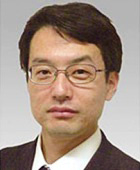
Toshimasa Yamauchi MD, PhD
Professor, Department of Diabetes and Metabolic Diseases,
The University of Tokyo Hospital
Professor, Department of Diabetes and Metabolic Diseases,
The University of Tokyo Hospital
- Main Research Areas & Focus Fields
The Department of Diabetes and Metabolic Diseases at the University of Tokyo Hospital conducts cutting‑edge research that bridges basic science and clinical application. Its major research areas and focus fields include: Diabetes, obesity, dyslipidemia, and related conditions.- Mechanisms of Diabetes Onset
Elucidation of insulin signaling pathways (IRS‑1/2, PI‑3 kinase, Akt, etc.)
Functional studies of adiponectin and its signaling mechanisms
Human genome analyses to identify genetic determinants of diabetes - Genetic Susceptibility in Type 2 Diabetes
Identification and functional characterization of susceptibility genes in Japanese populations
Association between genetic variants (e.g., SNPs) and insulin secretion / resistance - Lipid Metabolism and Atherosclerosis
Investigation of lipid metabolism disorders and atherogenesis
Study of mechanisms underlying diabetic vascular complications and metabolic dysregulation - Energy Metabolism and Metabolic Syndrome
Molecular mechanisms of obesity‑induced insulin resistance
Research into metabolic regulation involving energy homeostasis and nervous system modulation - Translational and Clinical Research
Applying genetic and molecular insights to personalized medicine and therapy development
Optimizing treatment strategies through clinical data integration and translational research frameworks- Molecular mechanism of insulin resistance linked to obesity focusing on adipokines
- Transcriptional regulation of insulin resistance and obesity by nuclear receptors and cofactors
- Molecular mechanism of insulin signal transduction
- Molecular mechanism of insulin secretory defect in type 2 diabetes
- Genetic susceptibility and risk factors of type 2 diabetes
- Development of accurate diagnostic algorithm for type 2 diabetes
- Molecular mechanism of adipogenesis and obesity
- Transcriptional regulation of lipid metabolism
- Molecular mechanism of atherosclerosis
- Mouse genetic models of diabetes
- Mechanisms of Diabetes Onset
- Research Team Structure
The laboratory conducts integrated research on metabolic diseases such as diabetes, dyslipidemia, and atherosclerosis, focusing on the molecular mechanisms of insulin signaling, adiponectin action, human genomics, lipid metabolism regulation, HDL function, and lipid transport pathways.
Research activities span basic science, translational research, and clinical application, with close collaboration among faculty and investigators across disciplines. Graduate students and postdoctoral fellows are actively embedded within research teams, integrating laboratory investigation with clinical exposure and case-based analysis in a comprehensive training environment. - Collaboration with Clinical Departments or Hospitals
Hospital Clinical Integration: The department is part of The University of Tokyo Hospital, combining tertiary care with advanced research. Outpatient services, inpatient wards, and specialist clinics provide clinical data for translational research.
Translational Research Center (TRC): Directed by Prof. Yamauchi, the TRC facilitates rapid integration of basic research findings into clinical applications, including trial design, regulatory support, and intellectual property management.
Multi-Institutional Collaborations: The department participates in national and regional research projects, including the J-ORBIT obesity research consortium, linking multiple Japanese hospitals and research institutions.
Clinic and Hospital Units Linkage: Regular interactions with specialty clinics, metabolic outpatient services, and educational programs ensure alignment between clinical observations and research hypotheses. - Major Research Facilities / Infrastructure
Translational Research Center (TRC): Supports translation of basic research into clinical applications and collaborative initiatives.
Clinical Research Support Systems: Include electronic health record-linked databases and research coordination services.
Laboratory & Analytical Facilities: Provide molecular biology, gene analysis, and metabolic phenotyping, including genomic analysis, protein signaling studies, cell and tissue culture, and biochemical profiling. University core facilities in genomics, imaging, and bioinformatics are accessible campus-wide .
Hospital Clinical Testing Tools: Enable advanced patient phenotyping (CGM, adipokine and lipid profiling).
Data Resources and Databases: Large clinical datasets and disease registries support epidemiological and real-world studies.
Clinical Research Center Building A is functioning as a core clinical research facility. The Molecular & Life Innovation Building is promoting joint research with other faculties, including the Graduate School of Engineering and Graduate School of Science. We are investigating to reveal the molecular mechanisms underlying the development of metabolic diseases (diabetes mellitus, lipid metabolic disorders, obesity, metabolic syndrome and atherosclerosis) using interdisciplinary approaches and state-of-the-art technology including genetically engineered model animals, DNA chip, epigenetics, RNA technology, human genetics, clinical epidemiology and bioinformatics. - Research Environment in English
The University of Tokyo is an internationally recognized research hub, offering a well-established English-based environment for research and education, comprehensive support systems for international scholars, and active exchange programs for early-career researchers.
English is routinely used for supervision, laboratory meetings, and research presentations. Even if communication challenges arise, many colleagues provide warm and supportive assistance, ensuring a collaborative and welcoming research environment. - Recent Representative Publications or Achievements
- Nishikage S, Hirota Y, Nakagawa Y, Ishii M, Ohsugi M, Maeda E, Yoshimura K, Yamamoto A, Takayoshi T, Kato T, Yabe D, Matsuhisa M, Eguchi J, Wada J, Fujita Y, Kume S, Maegawa H, Miyake K, Shojima N, Yamauchi T, Yokote K, Ueki K, Miyo K, Ogawa W. Relation between obesity and health disorders as revealed by the J‑ORBIT clinical information collection system directly linked to electronic medical records (J‑ORBIT 1). J Diabetes Investig. 2025 Mar 27. doi:10.1111/jdi.70021.
- Miyoshi K, Chikamori M, Ando T, Nakata K, Aoyama T, Matsunaga Y T, Yamauchi T. Quantitative image analysis of nailfold capillaries during an in‑hospital education program for type 2 diabetes or obesity. Microvascular Research. 2025;161:104830. doi:10.1016/j.mvr.2025.104830.
- Kawaguchi T, Kobayashi Y, Yasukawa K, Miyoshi K, Ishibashi N, Usami S, Inaba Y, Sato M, Kurano M, Suzuki R, Aoyama T, Yatomi Y, Yamauchi T. Exploratory analysis of serum oxidized albumin as a potential prognostic indicator for diabetic microvascular complications: A retrospective cohort pilot study. Cureus. 2025;17(5):e83976. doi:10.7759/cureus.83976.
- Miyoshi K, Aoyama T, Kameda S, Ishibashi N, Sakai Y, Yamanaka T, Kawaguchi T, Kadowaki Y, Yamauchi T. Age different effects of SGLT2 inhibitors on body composition in individuals with type 2 diabetes: A retrospective cohort study. J Diabetes Complications. 2025 Aug;39(8):109068. doi:10.1016/j.jdiacomp.
- Isotani R, Igarashi M, Miura M, Naruse K, Kuranami S, Katoh M, Nomura S, Yamauchi T. Nicotine enhances the stemness and tumorigenicity in intestinal stem cells via Hippo‑YAP/TAZ and Notch signal pathway. eLife. 2025 Jan 3;13:RP95267. doi:10.7554/eLife.
- Arakawa N, Aoyama T, Suwanai H, Toda G, Takamoto I, Okazaki Y, Kadowaki T, Yamauchi T. Elucidation of the clinical traits of diabetic chorea through a questionnaire survey of people with diabetic chorea from 59 Japanese hospitals. J Diabetes Investig. 2024;16(8):680–688. doi:10.1111/jdi.14392.
- Kato T, Matsuzawa F, Shojima N, Yamauchi T. Pathogenic variants in the fibronectin type III domain of leptin receptor: Molecular dynamics simulation and structural analysis. J Mol Graph Model. 2025 Mar;135:108912. doi:10.1016/j.jmgm.2024.108912.
- Kadowaki Y, Aoyama T, Hada Y, Aihara M, Sawada M. Effects of rapid weight loss on the body composition and pathophysiological mechanisms involved in obesity. Endocr J. 2025;72(3):307–317. doi:10.1507/endocrj.EJ24‑0315.
- Aihara M, Yano K, Irie T, Nishi M, Yachiku K, Minoura I, Sekimizu K, Sakurai Y, Kadowaki T, Kubota N. Salivary glycated albumin could be as reliable a marker of glycemic control as blood glycated albumin in people with diabetes. Diabetes Res Clin Pract. 2024;218:111903. doi:10.1016/j.diabres.2024.111903.
- Hamano S, Sawada M, Aihara M, Sakurai Y, Sekine R, Usami S, Kubota N, Yamauchi T. Ultra-processed foods cause weight gain and increased energy intake associated with reduced chewing frequency: a randomized, open-label, crossover study. Diabetes Obes Metab. 2024;26(11):5431–5443. doi:10.1111/dom.15922
- Suzuki K, Hatzikotoulas K, Southam L, Taylor HJ, Yin X, Lorenz KM, Mandla R, Huerta‑Chagoya A, et al. Genetic drivers of heterogeneity in type 2 diabetes pathophysiology. Nature. 2024;627(8003):347‑357. doi:10.1038/s41586‑024‑07019‑6
- Kobori T, Iwabu M, Okada‑Iwabu M, Ohuchi N, Kikuchi A, Yamauchi N, Kadowaki T, Yamauchi T, Kasuga M. Decreased AdipoR1 signaling and its implications for obesity‑induced male infertility. Sci Rep. 2024;14:5701. doi:10.1038/s41598‑024‑56290‑0.
Voices from the Lab:Daily Life, Culture, and Support
Respondent:
PhD student A, Lab member B, Faculty C
PhD student A, Lab member B, Faculty C
Q1. Please describe a typical day for an international researcher (examples are welcome).
PhD student A
My day usually starts around 7:30 a.m. with checking emails and organizing ideas from the previous night’s paper reading. I often update my mentor on the progress of my project or a stage-specific proposal and schedule follow-up discussions.
My day usually starts around 7:30 a.m. with checking emails and organizing ideas from the previous night’s paper reading. I often update my mentor on the progress of my project or a stage-specific proposal and schedule follow-up discussions.
On days when I perform fluorescence-activated cell sorting (FACS), I arrive at the laboratory around 9:30 a.m. and spend the entire day on experiments, often finishing at 7:00–8:00 p.m. On lighter days, I usually arrive around 10:00 a.m. to perform mouse genotyping and prepare for upcoming experiments. After lunch, typically between 12:00 and 1:00 p.m., I work in the animal room for mouse modeling and then spend several hours observing, counting, and imaging cultured organoids under the microscope.
During the remaining free time, I read paper and discuss experimental details with my mentor and lab members, which often provides valuable insights. Depending on the experimental schedule, my workday usually ends around 6:00 p.m.
Lab member B
On a typical day, one engages in sampling or analysis using in vitro/vivo models, and/or discussions about the research flow and prospects.
On a typical day, one engages in sampling or analysis using in vitro/vivo models, and/or discussions about the research flow and prospects.
Faculty C
For most international researchers, the daily routine consists of getting up around 6:00 am, having breakfast, traveling to the university. When the weather is nice, researchers commute to laboratory by bicycle or walking. Research activities in the mornings begin between 9:00 and 9:30 am. At noon, the researchers eat at the university canteen or cafeteria. At 13:00, our laboratories begin second research activities. Around 19:00 is when most researchers have supper. To get adequate rest for the following day, most researchers go to bed around 22:00.
For most international researchers, the daily routine consists of getting up around 6:00 am, having breakfast, traveling to the university. When the weather is nice, researchers commute to laboratory by bicycle or walking. Research activities in the mornings begin between 9:00 and 9:30 am. At noon, the researchers eat at the university canteen or cafeteria. At 13:00, our laboratories begin second research activities. Around 19:00 is when most researchers have supper. To get adequate rest for the following day, most researchers go to bed around 22:00.
Q2. How would you describe the atmosphere of the laboratory or workplace?
PhD student A
The atmosphere of the laboratory is relaxed, positive, and supportive. Everyone is deeply passionate about research and maintains a serious attitude toward their own research. When questions or difficulties arise during experiments, mentors and senior lab members are always willing to provide patient guidance and clear explanations.
The atmosphere of the laboratory is relaxed, positive, and supportive. Everyone is deeply passionate about research and maintains a serious attitude toward their own research. When questions or difficulties arise during experiments, mentors and senior lab members are always willing to provide patient guidance and clear explanations.
My mentor places great emphasis on cultivating independent scientific thinking in young researchers and respects our ideas and perspectives. Outside of work, the atmosphere is especially warm and relaxed—colleagues often share snacks brought back from trips, and there is a strong sense of mutual understanding and consideration within the team.
Lab member B
Mostly cool and quiet, but with heated discussion with mentors and peers at key timings.
Mostly cool and quiet, but with heated discussion with mentors and peers at key timings.
Faculty C
We promote an atmosphere of inquiry in which researchers and principal investigators actively discuss important and emerging issues in the life sciences and medicine. This stimulating, interactive environment enables researchers to establish clear goals for their own original research.
We promote an atmosphere of inquiry in which researchers and principal investigators actively discuss important and emerging issues in the life sciences and medicine. This stimulating, interactive environment enables researchers to establish clear goals for their own original research.
Q3. What support or considerations are provided regarding language and cultural differences?
English is commonly used in academic settings such as meetings, presentations, and written communication, which helps international researchers integrate smoothly. The laboratory is very considerate of language and cultural differences, and colleagues are patient and supportive when communication challenges arise. In addition, mentors and senior members actively help international researchers adapt to both the research environment and Japanese academic culture, creating an inclusive and welcoming atmosphere.
Peer Support Room offers various student support activities. We promote the mutual aid activities on campus, by the student peer supporters who are certified through the official training programs.
Major Activities
Peer Support Room recruits new peer supporters.
Major Activities
- Various exchange events (in person and online)
- Information dissemination such as publishing articles on note.com or our website
- Various other projects to deliver support to UTokyo students
Peer Support Room recruits new peer supporters.
Q4. Is there a dedicated office or contact point for international researchers?
Yes. The Graduate School of Medicine at the University of Tokyo has a dedicated administrative office that supports international researchers, as well as specific programs and activities designed for international students. Within the laboratory, each international researcher is paired with a tutor who helps us become familiar with the laboratory environment and provides support with both daily life and research-related matters, ensuring a smooth and comfortable transition.
Q5. What aspects of daily life in Japan may help international researchers feel comfortable and secure?
Applications for accommodation are open two times a year and can be made through UTokyo’s online accommodation application system - OSTA (Online System for UTokyo Accommodations) about 3 months prior to moving-in periods (Spring / Fall.).
https://www.u-tokyo.ac.jp/adm/housing-office/en/osta/entry.html
https://www.u-tokyo.ac.jp/adm/housing-office/en/osta/entry.html
Q6. What message would you like to share with colleagues who are thinking about coming to Japan for research?
Daily life in Japan feels very comfortable and reassuring. Tokyo offers the necessary items for day-to-day life in a convenient manner (like 24 hour grocery stores every 500m). It is known to be one of the safest cities in the world. Public transportation is reliable and easy to use—for example, trains are punctual and make commuting to the lab predictable. The living environment is clean and quiet, and even small daily routines, such as walking through the neighborhood or shopping after work, feel pleasant. In addition, there is a lot of delicious local food, which makes daily life more enjoyable. All of these aspects together help make it easy to settle in and focus on research.
PhD student A
If you are thinking about coming to Japan for research, I would say just go for it. You will find a research environment that is well organized and highly supportive, with mentors and colleagues who are serious about research and generous with their guidance, which truly helps you grow faster. At the same time, daily life here is comfortable and enjoyable, and the experiences you gain both inside and outside the lab can easily become one of the most memorable chapters of your life.
If you are thinking about coming to Japan for research, I would say just go for it. You will find a research environment that is well organized and highly supportive, with mentors and colleagues who are serious about research and generous with their guidance, which truly helps you grow faster. At the same time, daily life here is comfortable and enjoyable, and the experiences you gain both inside and outside the lab can easily become one of the most memorable chapters of your life.
Lab member B
UTokyo offers research opportunities to new members on a project basis, so you can expect to engage in research at the forefront. Be sure to discuss project availability while you prepare your visit!
UTokyo offers research opportunities to new members on a project basis, so you can expect to engage in research at the forefront. Be sure to discuss project availability while you prepare your visit!
Faculty C
I expect you to have ideals and a sense of your mission as you pursue your studies. I encourage you to nourish your interest in science and your enthusiasm for the advancement of medicine. I hope that you will strive to develop as medical scientists. At the same time, I hope that you will listen to and sympathize with those who are with diseases. I believe that you will make a huge contribution to health and welfare of human.
I expect you to have ideals and a sense of your mission as you pursue your studies. I encourage you to nourish your interest in science and your enthusiasm for the advancement of medicine. I hope that you will strive to develop as medical scientists. At the same time, I hope that you will listen to and sympathize with those who are with diseases. I believe that you will make a huge contribution to health and welfare of human.
更新:2026年4月7日